
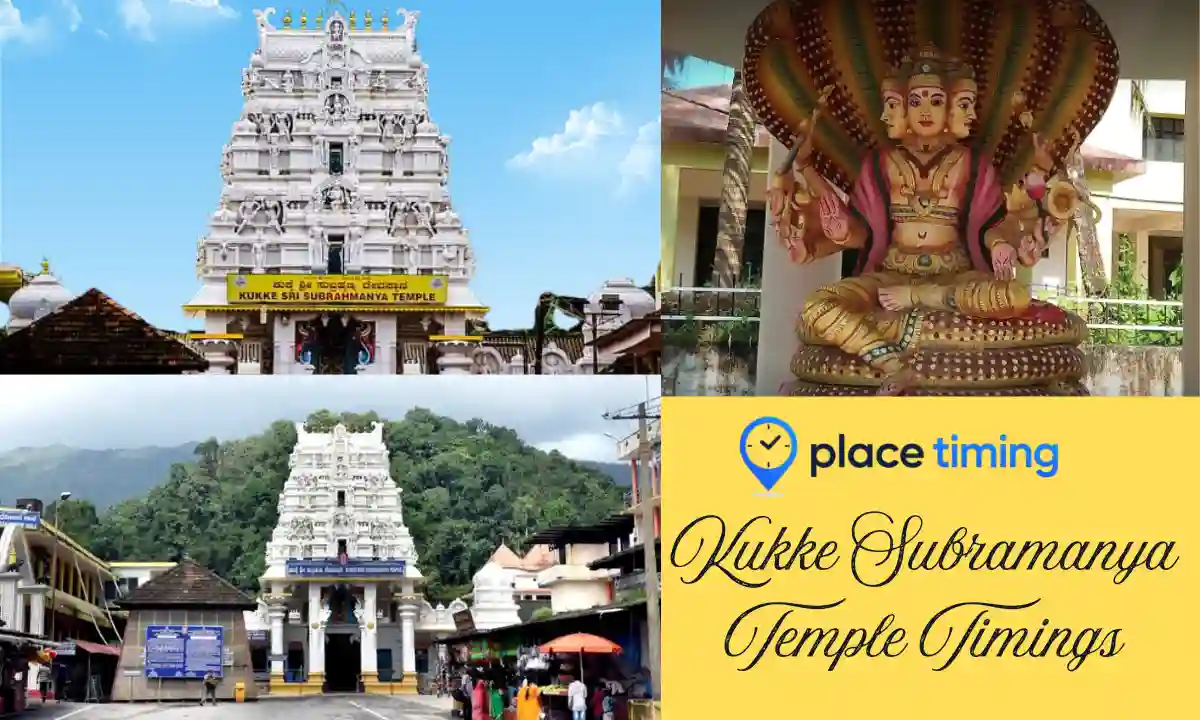
Most temples you go to have a darshan, and you move away. Kukke Subramanya is different. There are several people who come here for what is primarily a two-day-long ritual, the Sarpa Samskara, which is also the most famous remedy for serpent dosha in this part of the country. Which is where the timing gets seriously divided into two: the fast darshan hours, and the separate time zone clock for all the big poojas. This guide discusses both along with history, temple practices, dress code & how to reach this shrine deep inside the Western Ghats.
Kukke Subramanya Temple Timings: The Short Version
Here is the core of it. Kukke Subramanya Temple Timings are divided into morning and evening sessions with a break in the afternoon. In Dakshina Kannada, the famed Kukke Sri Subrahmanya Temple (the shrine of our khandoy) on the banks of Kumaradhara follows this pattern too: These hours can change due to monsoon and festival days, so consider them the regular when you plan.
| Detail | At a glance |
|---|---|
| Morning session | About 6:30 AM to 1:30 PM, with the complex stirring from around dawn |
| Afternoon break | Roughly 1:30 PM to 3:30 PM |
| Evening session | About 3:30 PM to 8:30 PM |
| General darshan | Free, with paid special and quick darshan available |
| Famous for | Sarpa Samskara and other serpent dosha remedies |
| Best time to go | Weekday mornings, Tuesday to Thursday, soon after opening |
| Location | Subramanya village, Dakshina Kannada district, Karnataka |
Daily Darshan Hours: Morning and Evening Sessions
The temple complex wakes up in the early morning around dawn, and darshan for devotees gets into a routine run that lasts till early afternoon or about half past one. Then the temple pauses for a few hours from work going to breeze before opening once again in evening and lasting till around half past eight at night.
General darshan is free in nature and you just get into the line. No weekly closure here The temple is open year-round seven days a week, including holidays. The morning session is the easiest on a still weekday, while in the general line during festival days and weekends you can be waiting for an hour or more.
The Afternoon Break: When the Temple Pauses
This is the gap that catches people who arrive after a long drive through the ghats. Roughly between half past one and half past three in the afternoon, the temple closes to the public for the midday rituals and the offering to the deity. Turn up in that window, and you wait outside.
So plan to land inside one of the two sessions. If you reach the area around lunchtime, use the break for a meal at the temple dining hall and a rest, then join the evening darshan once it reopens.
Sarpa Samskara Timings: The Two-Day Ritual
For many pilgrims, this is the main purpose of the trip. The Sarpa Samskara is the temple’s most profound and elaborate seva, a remedy for the serpent dosha that astrologers recognize in a horoscope. It is not a quick pooja. It spans two days, and both days are really required to attend.
And a relatively it is this sort of shape. The preparatory rituals and the fire ceremony at the Adi Subramanya shrine are held from early morning to noon on the first day. On the second day, after an overnight stay near the temple, the main poojas take place at Kukke Subramanya temple early morning until early afternoon, ending with the final Pooja and prasada.
Some practical points govern its timing. As daily slots are limited and get filled up during peak months, advance booking through the official temple portal is required. Across the two days, there are rules of dress and diet to be observed. The ritual is performed by a married man, on behalf of himself and his family, or if that is not possible, by a temple priest.
Ashlesha Bali and Other Sarpa Dosha Poojas: Timings and Booking
Not everyone has two days. The Ashlesha Bali is also the short one day remedy and it is the one most people regularly observe once a month. Performed only on days of Ashlesha Nakshatra which happens around once a month and usually in morning time slots.
- Ashlesha Bali: A day pooja only suitable for Ashlesha Nakshatras, usually reserved at the temple counter on the actual day instead of online.
- Nagaprathishta: It is the location of a serpent in the form of an idol (prathista) to confer you long lifetime security, either as a standalone or with Sarpa Samskara
- Sarpa Shanti and Kuja Dosha Poojas: Some Other Snake and Planet-Related Remedies Performed by the Temple
These depends on lunar calendar, so check the schedule from temple and make reservation (as possible). Serpent remedies are the most crowded sevas in here, the sooner you plan the better slot you will get.
History and Significance: Why Kukke Subramanya Matters
The legend of the temple is described back in the Skanda Purana. One legend tells us that Lord Kumaraswamy, who was the warrior son of Shiva also called as Subramanya or Kartikeya, visited Kumara Parvatha after vanquishing demons Tarakasura and Shurapadmasura. This is where Lord Indra welcomed him and it is believed that he married Devasena the daughter of Indra, on the day known as Shashti (sixth) which the temple performs puja for till now.
The serpent link is central. This is where Lord blessed the protection of His servant, who is believed to have performed long penance in a cave nearby by the King of serpents, Vasuki. That is where the worship of Subramanya started at Kukke, in conjunction with Vasuki, and that is why this temple was the first of its kind in southern India to be patronised for protection against serpent dosha.
Kukke Subramanya is also one among the seven Mukti Sthalas of Karnataka, the liberation land of sage Parashurama. Now, for the name: An ancient account mentions that the idol was once transported to this area in a basket and thus comes its prefix Kukke from the Tulu word meaning basket.
Inside the Temple: The Garuda Pillar and West-Facing Deity
The inner temple is peculiar in itself, owing to a couple of features. The main entrance hall is flanked by a silver Garuda pillarament between it and the holy of holies. Around it devotees walk, as this pillar guards them against the poisonous breath of Vasuki, who is enshrined within.
Inside the sanctum, Subramanya is worshiped along with Vasuki and Shesha in the form of two serpents kept on a raised platform. Temple students observe that the deity in the main shrine faced west, a rarity as the shrines are oriented east. The timings and the rituals are not the only things which give this temple its beauty, it is these little small things.
The Kumaradhara Bath and Annadana: Temple Customs
Here are two customs you need to know before leaving, because they determine how you arrange your hours. The first is the holy bath. Before entering the darshan line many pilgrims take a dip in the Kumaradhara river flowing by the temple treating it as a cleansing bath.
The second is the annadana, or free meal. The temple operates a huge kitchen and prepares simple vegetarian meals for thousands of those pilgrims daily, lunch through early afternoon and dinner time in the evening. If your visit clashes with the afternoon break, the meal is a logical gap-filler ahead of another session in the evening.
Best Time to Visit Kukke Subramanya: Crowds and Season
There are two layers of time here, the crowd and the weather and because of the Western Ghats setting, the weather matters much more than at most temples.
- Weekdays, from Tuesday to Thursday during the early hours after opening : Lightest crowds and shortest general darshan queue.
- Around October to February, climate is pleasant and cool, best time for darshan as well as Sarpa Samskara when slots are easy to get.
- June to September: peak of the monsoon; ghat roads can get slippery and landslides occasionally block travel, so plan carefully
The largest crowds arrive during Champa Shashti, the shrine’s principal festival in November or December and Naga Panchami in monsoon months. If you plan on timing your trip with a festival, book stay and sevas in advance because these are peak travel times (and the most packed).
How Long to Spend: Planning Your Visit
On a normal day, if you are visiting for general darshan only keep one to two hours time, more in case the queue is long. The waiting time is reduced when you have a special or fast darshan ticket. For Sarpa Samskara, since you are required to stay overnight for two full days at Subramanya.
Since many visitors fold this into a bigger temple circuit of coastal Karnataka, a relaxed schedule is one night here and another for the darshan – across morning or evening – and then drive the rest.
Dress Code and Rules: Before You Enter
The temple has a traditional dress code and this is strictly enforced inside the inner sanctum of the temple.
- Men: remove dhoti or pancha, shirts and vests before entering the inner sanctum.
- Women: 1x saree, or salwar kameez with dupatta No jeans, sleeveless tops or Western wear
- Footwear comes off before the complex and mobile phones are prohibited on site, heed to the cloakrooms.
Dressing the part is half of the entry process as it helps you smooth your way in and is one respect that this place expects. Get your bags and phone ready before you enter the line, not after.
How to Reach Kukke Subramanya Temple: By Air, Train and Road
The temple sits in Subramanya village in Dakshina Kannada district, at the foot of the Kumara Parvatha peak, deep in the Western Ghats. Reaching it means a journey through hill country, so allow for the terrain.
| Mode | Details and distance |
|---|---|
| By air | Mangalore International Airport is the nearest, about 105 km away, roughly two and a half to three hours by road. |
| By train | Subrahmanya Road railway station is the closest, about 6 to 7 km from the temple, with autos and buses for the last stretch. |
| By road | Bengaluru is roughly 270 to 320 km away via NH75 through Hassan and Sakleshpur, about 6 to 7 hours. Mangalore is about 105 km. KSRTC and private buses run daily. |
| Local transport | Autos and town buses cover the short hop from the station and bus stand to the temple complex. |
If you are heading in for the early morning darshan or starting a Sarpa Samskara, stay overnight at Subramanya. The temple trust runs several lodges, cottages, and dormitories, and private hotels fill the gaps.
Trivia and Lesser-Known Facts: Kukke Subramanya
- It is dedicated to Subramanya worshipped here along with Vasuki the king of serpents which is also the most important centre for serpent dosha remedies in South India.
- The principal deity is located facing west, which is an unusual orientation since most Hindu temples are oriented to the east.
- The silver Garuda pillar situated in front of the sanctum protects devotees from the poisonous breath of the serpent that is enshrined here.
- This temple, identified with the sage Parashurama in the Skanda Purana, is one of seven Mukti Sthalas of Karnataka.
- Kukke derives from Tulu for basket and refers to a legend that the idol was brought here inside such a container.
- Behind, the mountain is shaped like a many headed cobra and appears to be standing guard over the temple.
Nearby Attractions: What to Combine With Your Visit
- The surrounding ghats are host to multiple stops that compliment a pilgrimage through the village.
- Adi Subramanya shrine: 700 meters of a walk to the left of the main temple. Older shrine where Sarpa Samskara is done on day one.
- Biladwara cave: One to two kilometres away, believed to be where Vasuki repented.
- Kumara Parvatha trek, a strenuous two day hike to a peak of over 1,700 metres high for the fit and well equipped with forest permission
- Dharmasthala: the popular Manjunatha temple (60 to 75 km away, co-joined as a single trip).
- Mangalore; coastal town approx 100km away, beaches & more temples
Quick Tips: Making Your Kukke Subramanya Temple Timings Work
- Shun the midday gap, around 1:30 PM to 3:30 PM, swapping it with a meal and a nap.
- Coming for the Sarpa Samskara? So suck up two days of time and in advance book your slot & stay.
- If it’s a visit for darshan, we recommend a weekday morning (maximum Tuesday to Thursday) filling in the early opening time.
- Be flexible with your plans for the rain: Ghat roads can be treacherous from June to September.
- Dress the dress, leave your phones in the cloakroom and river bath if you want.
- Time a visit when festival runs, such as Champa Shashti only with those who can deal with the heaviest crowds you will reckon.
Frequently Asked Questions
What are the Kukke Subramanya temple timings?
The temple is open for darshan from about 6:30 AM to 1:30 PM in the morning and about 3:30 PM to 8:30 PM in the evening, with an afternoon break in between. The complex stirs from around dawn, and timings can shift in the monsoon and on festival days.
Is Kukke Subramanya temple open every day?
Yes. The temple is open all year, including weekends, holidays, and festival days, with no weekly closure. Only the daily afternoon break interrupts the schedule.
What are the Sarpa Samskara timings at Kukke Subramanya?
The Sarpa Samskara is a two day ritual. The first day’s rituals run through the morning at the Adi Subramanya shrine, and the main rituals follow the next morning at the Kukke Subramanya temple. It needs advance booking and an overnight stay between the two days.
Is general darshan free at Kukke Subramanya?
Yes, general darshan is free and needs no booking. Special and quick darshan tickets are available for a faster line, and the Sarpa Samskara, Ashlesha Bali, and other sevas are booked separately.
What is the best time to visit Kukke Subramanya temple?
A weekday morning, soon after opening, is best for a quick darshan. For weather and ritual slots, October to February is the ideal window. Avoid the heavy monsoon from June to September, when ghat roads can be disrupted.
What is the dress code at Kukke Subramanya temple?
Men wear a dhoti or pancha and remove shirts and vests before the inner sanctum. Women wear a saree or salwar kameez with a dupatta. Western wear is not allowed, and mobile phones are not permitted inside.
How do I reach Kukke Subramanya from Bangalore?
Bengaluru is about 270 to 320 km away, roughly 6 to 7 hours by road via NH75 through Hassan and Sakleshpur. The nearest railway station is Subrahmanya Road, about 6 to 7 km from the temple, and the nearest airport is Mangalore, about 105 km away.
Why is Kukke Subramanya temple famous?
It is the foremost centre in South India for serpent dosha remedies, where Lord Subramanya is worshipped alongside Vasuki, the serpent king. It is one of the seven Mukti Sthalas of Karnataka and is set on the banks of the Kumaradhara in the Western Ghats.
Also read about: Arunachalam Temple Timings: A Complete Darshan and Girivalam Guide



Leave a Reply